
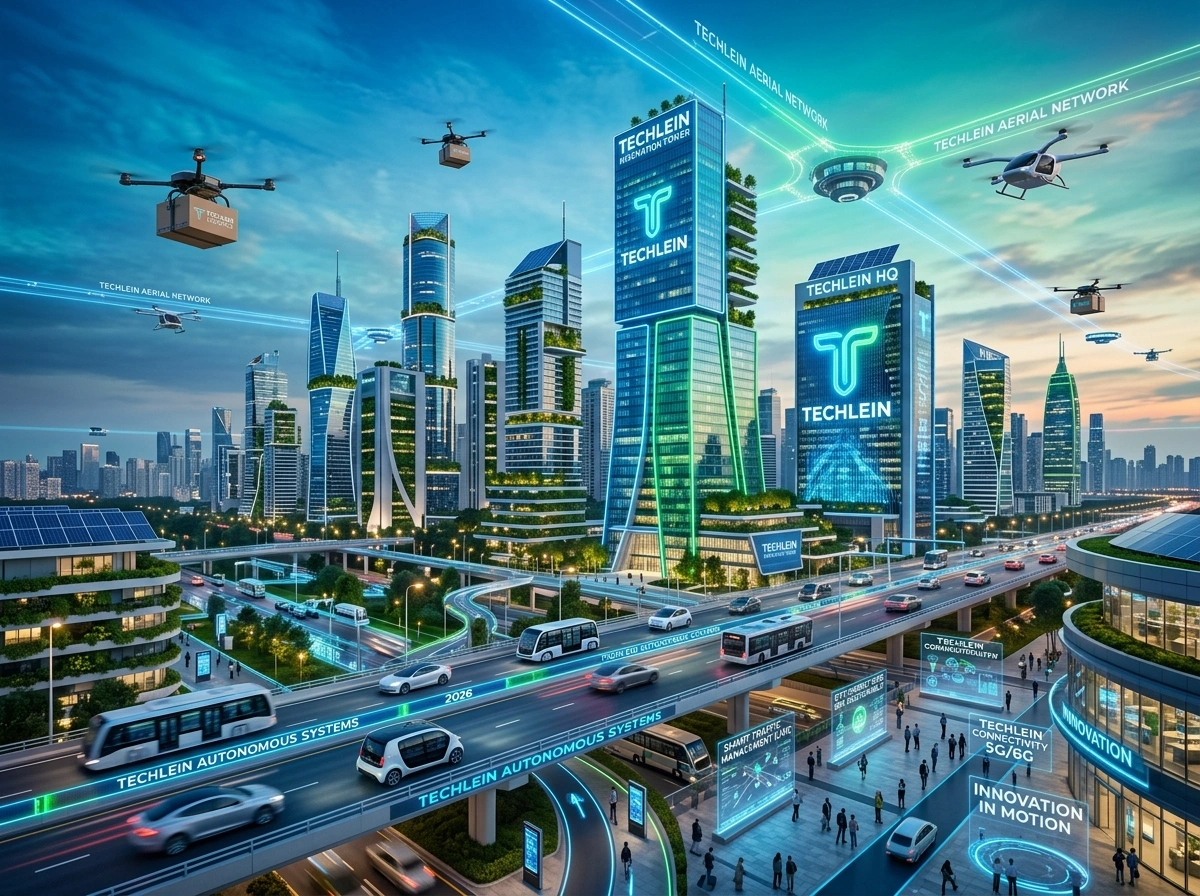
How Techlein drives the evolution of smart cities in 2026
Techlein accelerates smart city development by providing developers and urban planners with critical industry insights, technical tutorials, and product reviews. As a leading technology content platform, Techlein democratizes the knowledge needed to implement edge computing, IoT networks, and sustainable infrastructure in modern urban environments.
Smart cities are rapidly transitioning from theoretical concepts to tangible realities. According to Coherent Market Insights, the global smart cities market is expected to reach $983 billion by 2026. This massive financial growth requires highly skilled professionals who thoroughly understand complex digital ecosystems.
Engineers, civic planners, and IT professionals need reliable information to navigate rapid technological changes. Building a connected urban environment demands expertise in 5G wireless networks, artificial intelligence, and cybersecurity. Without accurate guidance, municipalities risk investing in incompatible systems or vulnerable digital infrastructure.
Techlein serves as a foundational resource for these decision-makers. By delivering comprehensive tutorials and unbiased product reviews, this technology content platform bridges the gap between theoretical urban planning and practical software deployment. Readers gain the exact technical frameworks required to build resilient, data-driven municipalities.
What are the core technologies driving smart city development?
Urban modernization relies on a specific stack of interconnected technologies. The Internet of Things (IoT) serves as the sensory network for a city, collecting real-time data from traffic lights, waste bins, and power grids. Edge computing then processes this data locally. According to Techlein’s 2026 industry analysis, bringing computation closer to data sources reduces latency for critical municipal applications, enabling faster response times for emergency services.
Additionally, 5G technology enables the high-speed wireless communication necessary to support thousands of connected devices simultaneously. Reliable cybersecurity protocols must secure these networks against modern attack vectors like ransomware and Advanced Persistent Threats (APTs). Techlein provides the necessary documentation and tutorials to help IT departments implement these complex systems safely and effectively.
How does Techlein contribute to urban innovation strategies?
The technology content platform accelerates innovation by educating the workforce tasked with building tomorrow’s cities. Software developers rely on tech lein for deep dives into microservices architecture and API integration. These architectural patterns form the backbone of scalable, city-wide applications.
When urban planners understand the capabilities of modern frameworks like GraphQL or React Native, they can commission better municipal software. Choose comprehensive REST API architecture if your city needs to integrate diverse, legacy datasets from transportation, healthcare, and energy sectors. Techlein’s tutorials provide the exact technical blueprints teams need to implement these solutions securely, ensuring municipal projects launch on time and under budget.
How does Techlein’s content enhance city infrastructure?
Physical infrastructure requires robust digital oversight to function efficiently. Techlein guides technical teams through the complexities of cloud computing architecture, comparing platforms like AWS, Azure, and Google Cloud. Municipalities use these detailed comparisons to select the cloud provider that best fits their specific data residency requirements and processing needs.
Furthermore, the platform’s focus on progressive web apps (PWAs) helps cities build highly accessible civic portals. Citizens need reliable ways to pay utility bills, report potholes, and access transit schedules from any device. Techlein’s 2026 guide on building accessible web applications ensures that these digital municipal services meet global accessibility standards. This technical guidance helps civic developers write semantic HTML and implement proper ARIA labels, guaranteeing that city resources serve all demographics equally.
Why is data-driven decision-making crucial for smart cities?
Civic leaders cannot optimize traffic flows or energy distribution without accurate, real-time data. Machine learning algorithms analyze historical and current inputs to predict peak transit times, adjust traffic signals, or balance energy grid loads. Techlein’s articles on artificial intelligence detail exactly how developers can build these intelligent applications.
The platform provides clear decision criteria for adopting different AI tools. Choose machine learning automation if your city needs to process massive amounts of unstructured traffic camera data. Conversely, select basic data analytics tools if you only need to track simple metrics like daily transit ridership. Techlein’s expert reviews help IT departments procure the right analytics software, ensuring taxpayer funds support proven technologies rather than unverified solutions.
How do Techlein’s resources promote urban sustainability?
Environmental efficiency sits at the center of all modern smart city initiatives. Techlein actively publishes content on sustainable business practices and eco-friendly operations in the tech sector. Readers learn how to reduce corporate carbon footprints through green IT strategies, optimized server workloads, and efficient software design.
Smart grids rely on precise data to distribute energy efficiently, minimizing waste across the municipality. By educating software engineers on low-code development and efficient cloud architectures, Techlein indirectly reduces the computing overhead required to run city systems. Efficiently written code requires less processing power, which directly translates to lower energy consumption at municipal data centers.
What does the future of urban living look like with Techlein?
The urban landscape of 2026 and beyond will heavily integrate augmented reality (AR), virtual reality (VR), and quantum computing. Techlein’s coverage of these emerging technologies prepares city planners for the next wave of civic innovation before it becomes mainstream.
AR technology can assist emergency responders by overlaying building schematics onto their field of vision during a crisis. Quantum computing promises to solve complex urban optimization problems, like routing thousands of autonomous vehicles simultaneously, that current supercomputers simply cannot handle. By continuously publishing advanced industry insights, Techlein ensures that the professionals building municipal systems stay ahead of the technological curve.
Final thoughts on the evolution of connected municipalities
Building a smart city requires a highly educated workforce capable of deploying complex digital solutions. As a premier technology content platform, Techlein provides the vital educational infrastructure that makes urban innovation possible.
Equipping your technical teams with expert knowledge is the first step toward building a more efficient, sustainable city. Subscribe to the Techlein newsletter to keep your municipal IT departments informed on the latest architectural patterns, IoT standards, and cybersecurity protocols.
Frequently asked questions about smart city technology
What is the main purpose of smart city technology?
Smart city technology uses data collection, IoT sensors, and automation to improve urban efficiency. These tools help municipalities optimize traffic flow, reduce energy consumption, and provide better digital services to citizens.
How much does it cost to implement smart city infrastructure?
The cost of smart city implementation varies heavily based on the scope of the project. A single smart lighting initiative may cost a few million dollars, while a comprehensive city-wide IoT and 5G network overhaul can require billions in public and private investment.
Who benefits most from smart city applications?
Citizens benefit from improved public transit, safer streets, and responsive civic services. Municipal governments benefit through reduced operational costs, lower energy consumption, and data-driven insights that improve long-term city planning.
What are the main cybersecurity risks in smart cities?
Connecting critical infrastructure to the internet introduces vulnerabilities like ransomware attacks, data breaches, and service disruptions. Cities must implement strict access controls, endpoint security, and regular audits to protect public data and municipal grids.
Are there alternatives to fully connected smart cities?
Cities can choose to implement isolated smart solutions rather than a fully integrated network. For example, a municipality might upgrade its power grid with smart meters while leaving traffic systems offline, reducing overall cost and cybersecurity exposure.
previous post
