
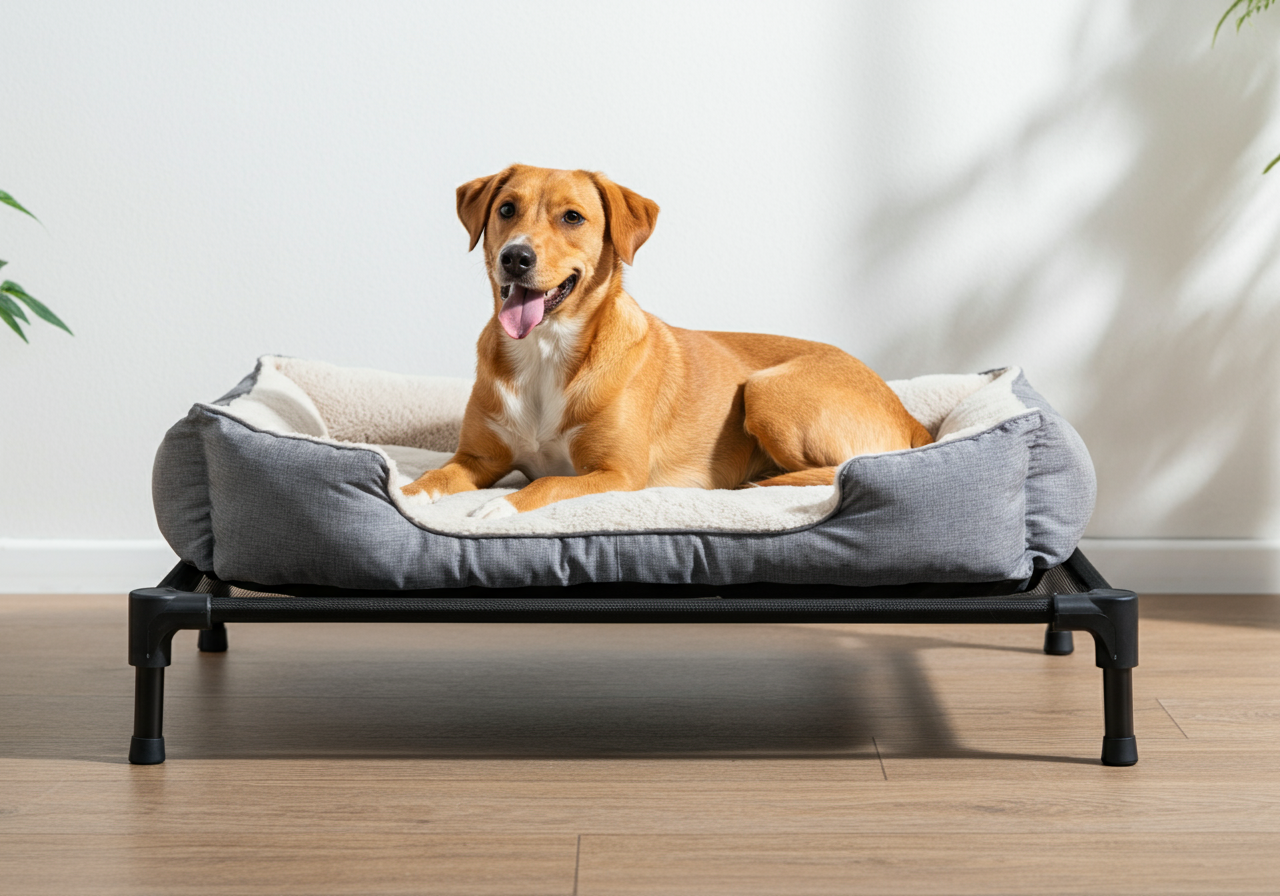
Dog Beds on Legs: A Solution for Allergy-Friendly Homes
For many, a dog is a cherished member of the family. However, for households with allergy sufferers, the joy of pet ownership can be accompanied by the challenge of managing allergens like dander, dust mites, and pollen. These microscopic particles often accumulate in soft furnishings, including traditional dog beds, triggering uncomfortable allergic reactions. An elevated dog bed offers a practical and effective solution, creating a healthier environment for both you and your furry companion.
This article explores how a dog bed on legs can transform your home into a more allergy-friendly space. We will discuss the specific benefits related to hygiene and allergen reduction, the added comfort and health advantages for your dog, and what to look for when choosing the perfect one. By elevating your pet’s sleeping area, you can significantly improve air quality and cleanliness, making life more comfortable for everyone under your roof.
Understanding Allergens in Your Home
Pet-related allergies are not typically caused by the dog’s fur itself, but by proteins found in their dander (dead skin flakes), saliva, and urine. When a dog sheds dander, it becomes airborne or settles on surfaces, mixing with other common household allergens like dust mites, pollen, and mold spores.
Traditional, plush dog beds that sit directly on the floor are magnets for these particles. Their fabric and stuffing trap and hold onto dander, dirt, and moisture, creating an ideal breeding ground for dust mites and mold. Every time your dog gets in or out of bed, these allergens are disturbed and released back into the air, circulating throughout your home and exacerbating allergy symptoms. Regular washing can help, but it is often not enough to eliminate the problem entirely, especially with bulky beds that are difficult to clean thoroughly.
How Elevated Dog Beds Reduce Allergens
A dog bed on legs, also known as an elevated or raised dog bed, tackles this problem head-on by changing the way your dog rests. By lifting your pet off the ground, these beds create a less hospitable environment for allergens to thrive.
Improved Airflow and Ventilation
The primary advantage of an elevated design is the promotion of airflow. With space between the bed’s surface and the floor, air can circulate freely on all sides. This constant ventilation helps prevent the buildup of moisture, which is essential for the growth of mold and mildew. A dry environment is also less attractive to dust mites, which flourish in warm, humid conditions. This simple elevation significantly reduces the concentration of two major household allergens.
Easier Cleaning and Maintenance
Cleanliness is crucial in an allergy-friendly home. Elevated dog beds are designed for easy maintenance. Most are constructed with a durable frame and a taut, breathable mesh or fabric surface. This minimalist design means there is no dense stuffing to trap dander, dirt, or hair. Debris falls through the mesh or can be easily wiped, vacuumed, or hosed off.
Unlike conventional beds that require machine washing and lengthy drying times, an elevated bed can be cleaned in minutes. The frames are typically made from metal or hard plastic, which can be wiped down with a damp cloth. This simple and frequent cleaning routine prevents allergens from accumulating, keeping your pet’s sleeping space, and your home’s air, much cleaner.
Preventing Allergen Accumulation on Floors
When a dog bed sits directly on the floor, it creates a pocket where dust, hair, and dander collect underneath and around it. This area is often missed during regular cleaning. An elevated bed allows you to easily sweep, mop, or vacuum underneath, ensuring no hidden allergen hotspots are left behind. By keeping the floor clear, you maintain a higher standard of overall household hygiene.
Beyond Allergies: Additional Benefits for Your Dog
While the advantages for allergy sufferers are clear, a Hundeseng på ben also offers significant health and comfort benefits for your dog, making it a superior choice for pet wellness.
Orthopedic Support and Joint Health
Elevated beds provide firm, even support that is beneficial for dogs of all ages, but especially for senior pets or those with orthopedic issues like arthritis or hip dysplasia. The taut surface distributes the dog’s weight evenly, preventing pressure points from forming on their joints and hips. Unlike soft, cushioned beds that can sag over time, an elevated bed maintains its supportive structure, promoting better posture and a more restorative rest. This can help alleviate joint pain and improve mobility.
Temperature Regulation for Year-Round Comfort
The enhanced airflow of an elevated bed also helps regulate your dog’s body temperature. During warm months, the air circulating underneath the bed has a cooling effect, preventing your dog from overheating. This is particularly beneficial for long-haired breeds or those living in warmer climates.
In colder weather, the bed lifts your dog off cold, drafty floors. While it may seem counterintuitive, the elevation keeps them away from the chill that radiates from tiles or hardwood, helping them stay warmer. For added coziness, you can simply place a familiar blanket on top of the bed.
Durability and Chew-Resistance
Many elevated dog beds are built to last. Constructed with sturdy steel or PVC frames and durable, often chew-resistant fabrics, they stand up well to the wear and tear of daily use. For owners of “power chewers” who have destroyed countless plush beds, an elevated model can be a more cost-effective and safer long-term investment.
Choosing the Right Elevated Dog Bed
With a variety of options available, selecting the right elevated bed for your dog involves considering a few key factors:
Size and Weight Capacity
Ensure the bed is large enough for your dog to stretch out comfortably. Measure your dog from nose to tail while they are sleeping to get an accurate idea of the required size. Always check the manufacturer’s weight limit to ensure the bed can safely support your pet. A properly sized bed will provide optimal comfort and security.
Frame and Fabric Material
The frame should be strong and stable. Powder-coated steel is a popular choice for its durability and resistance to rust. The fabric should be breathable, tough, and easy to clean. Look for materials like high-density polyethylene (HDPE) mesh or heavy-duty vinyl that are resistant to tearing, moisture, and odors.
Ease of Assembly and Portability
Most elevated beds require some assembly, so look for models with clear instructions and a simple design. If you plan to travel with your dog or move the bed frequently between indoors and outdoors, consider a lightweight and easily disassembled model for greater portability.
A Healthier Home for Everyone
Switching to a dog bed on legs is a simple yet powerful step toward creating a cleaner, healthier, and more allergy-friendly home. By reducing the accumulation of dander, dust mites, and mold, these beds directly address the root causes of many pet-related allergies. The added benefits of orthopedic support, temperature regulation, and durability make them an excellent choice for your dog’s overall well-being.
Investing in an elevated bed is an investment in the health and comfort of your entire family, both two-legged and four-legged. It allows you to enjoy the wonderful companionship of a dog without the constant worry of allergic reactions, proving that a happy pet and a healthy home can go hand in hand.
previous post
